
$39.95$65.00Save 39%
In Stock(120 available)
Quantity:
1
Overview
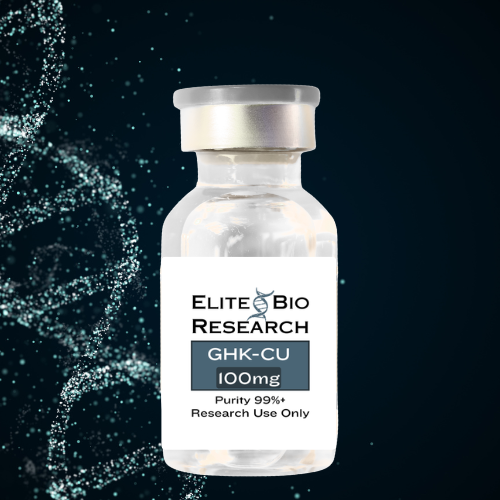
GHK-Cu, a naturally occurring copper-binding tripeptide, is a potent research compound widely studied for its roles in tissue remodeling, wound healing, and anti-aging mechanisms. It offers significant potential for investigations into dermatological and regenerative medicine applications.
Product Description
GHK-Cu (Glycyl-L-Histidyl-L-Lysine-Copper) is a well-characterized small peptide complex renowned for its high affinity for copper(II) ions. Discovered in human plasma, GHK-Cu has been extensively researched for its multifaceted biological activities, including promoting collagen and elastin synthesis, stimulating glycosaminoglycan production, and enhancing angiogenesis. These properties make it a valuable tool in dermatological research, particularly for studies focusing on skin regeneration, elasticity, and the mitigation of photoaging effects. Furthermore, its demonstrated antioxidant and anti-inflammatory capabilities contribute to its potential in investigating wound healing processes and protective cellular responses.
In research settings, GHK-Cu is typically utilized in cell culture studies, in vitro assays, and preclinical models to elucidate its mechanisms of action and therapeutic potential. Researchers often explore its impact on fibroblast proliferation, extracellular matrix remodeling, and gene expression related to tissue repair. Its stability and bioavailability make it a suitable candidate for various experimental designs aiming to understand its role in tissue regeneration, hair growth, and neuroprotection.
For optimal research integrity, GHK-Cu should be handled with care, preferably under sterile conditions to prevent contamination. Store the compound tightly sealed in a cool, dry place, typically at 2-8°C, away from direct light. For long-term storage, aliquoting and freezing at -20°C or below is recommended to maintain purity and potency. Always refer to the specific Certificate of Analysis (CoA) for batch-specific storage and handling guidelines.
Certificates of Analysis
.png)
Research Use Only
This product is intended for research and laboratory use only. Not for human consumption. By purchasing this product, you confirm that you are a qualified researcher and will use this compound in accordance with all applicable laws and regulations.