
$44.00$59.00
In Stock(10 available)
Quantity:
1
Overview
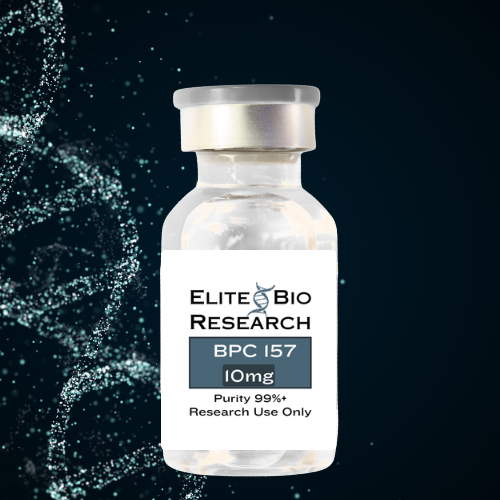
BPC 157 (Body Protection Compound-157) is a stable gastric pentadecapeptide, extensively studied for its regenerative and protective properties across various biological systems. This potent research compound is of significant interest in tissue repair, anti-inflammatory mechanisms, and gastrointestinal health studies.
Product Description
BPC 157 is a synthetic peptide composed of 15 amino acids, derived from a naturally occurring protein found in gastric juice. Its unique stability allows it to remain intact in gastrointestinal fluids, making it a subject of extensive research into its potential therapeutic applications. Studies have explored BPC 157's role in accelerating wound healing, including muscle, tendon, ligament, and bone injuries, by promoting angiogenesis and modulating growth factor expression. Furthermore, it has demonstrated significant gastroprotective effects, aiding in the repair of various forms of gastrointestinal damage, and exhibits potent anti-inflammatory and analgesic properties in various experimental models.
Researchers are particularly interested in BPC 157's systemic effects, which extend beyond localized tissue repair to include neuroprotective potential and modulation of the dopaminergic system. Its ability to interact with multiple biological pathways makes it a versatile tool for investigating mechanisms of tissue regeneration, inflammation, and cellular protection. As a research compound, BPC 157 is intended strictly for in vitro and in vivo laboratory research purposes and is not for human consumption or therapeutic use.
For optimal research integrity, BPC 157 should be handled with care in a controlled laboratory environment, preferably under a fume hood, using appropriate personal protective equipment. Upon receipt, the lyophilized powder should be stored at -20°C to ensure long-term stability. Once reconstituted with sterile bacteriostatic water or an appropriate solvent, solutions should be stored refrigerated at 2-8°C and used within a short period, typically a few days to weeks, depending on the specific research protocol and solvent used, to maintain its biological activity and purity. Avoid repeated freeze-thaw cycles.
Research Use Only
This product is intended for research and laboratory use only. Not for human consumption. By purchasing this product, you confirm that you are a qualified researcher and will use this compound in accordance with all applicable laws and regulations.